
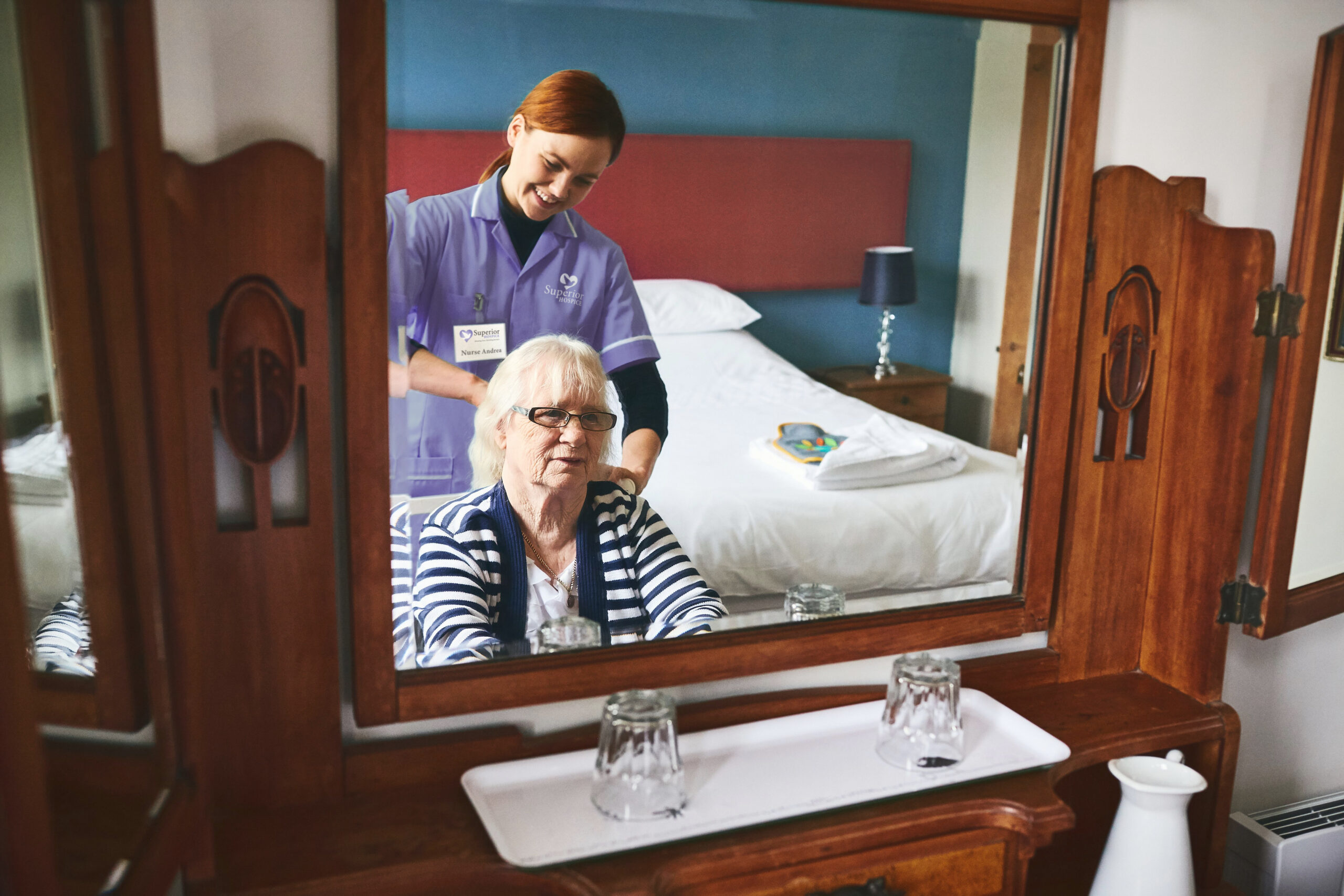
Choosing hospice care is a significant decision that affects both the patient and the family. When comparing hospice companies near Saint Paul, MN, families should ask about eligibility, available levels of care, symptom management, visit frequency, after-hours assistance, family support, and how care plans are personalized.
A thoughtful interview helps families understand what each provider offers before enrolling in care. It also creates an opportunity to discuss the patient’s medical needs, personal wishes, living environment, cultural preferences, and emotional or spiritual concerns.
Begin by asking how the provider evaluates hospice eligibility. Hospice generally serves people with life-limiting illnesses when comfort-focused support is more appropriate than curative care. Eligibility is based on the person’s medical condition, clinical needs, prognosis, and goals of care.
Ask who completes the assessment, what medical information is required, and how the provider communicates with the patient’s physician. Families should also learn what happens when a person’s condition changes after enrollment.
Hospice is not a single service. Medicare recognizes four levels of hospice care: routine home care, continuous home care, general inpatient care, and inpatient respite care. The appropriate level depends on the patient’s needs and circumstances.
When interviewing hospice companies near Saint Paul, MN, consider asking:
Families should request clear explanations of what is included, what may require separate arrangements, and how services are coordinated with the patient’s existing healthcare professionals.
An interdisciplinary team typically delivers hospice care. Depending on the patient’s needs, that team may include physicians, nurses, hospice aides, social workers, spiritual care providers, therapists, volunteers, and bereavement professionals.
Ask who will serve as the family’s primary contact and how team members share information. It is also helpful to understand how often each professional may visit. Visit frequency should be based on the patient’s condition and individualized care plan rather than a fixed schedule for all patients.
A patient’s symptoms or a family’s concerns may arise outside regular business hours. Ask whether clinical support is available 24 hours a day, including nights, weekends, and holidays.
Families should clarify who answers urgent calls, how quickly concerns are assessed, and what happens when an in-person visit may be necessary. A provider should explain how it manages pain, breathing difficulties, agitation, medication questions, falls, or sudden changes in condition.
A strong hospice care plan should address more than a diagnosis. Ask how the provider learns about the patient’s comfort preferences, routines, values, family relationships, spiritual beliefs, and end-of-life wishes.
The plan should be reviewed as the person’s needs change. Families can ask how often reassessments occur, how concerns are documented, and how they can request changes. Clear communication helps everyone understand the care goals and their respective responsibilities.
Family members often provide much of the daily assistance between hospice visits. Ask what education caregivers receive regarding medication management, safe mobility, personal care, recognizing changes in symptoms, and when to contact the hospice team.
It is equally important to ask about emotional support, anticipatory grief resources, respite options, and bereavement services. Families comparing hospice companies near Saint Paul, MN should choose a provider that treats caregiver questions as an essential part of the care process.
At Superior Hospice, we provide personalized end-of-life care for patients and families in Saint Paul and communities across Minnesota. Our interdisciplinary team offers routine home care, continuous home care, general inpatient care, and respite care, along with 24-hour availability for urgent support. We focus on physical comfort, emotional well-being, spiritual needs, and guidance for loved ones throughout the hospice journey.
Contact us to discuss your family’s needs and learn whether our approach is the right fit.